Should general dentists add implant dentistry to their practices?
Key Highlights
- Many misconceptions about implant dentistry, such as it being exclusive to specialists, can be addressed through proper education and training.
- Choosing the right training involves evaluating hands-on experience, mentorship, community support, and follow-up care to ensure long-term success.
- Support systems and community-building are crucial for building confidence and maintaining enthusiasm in implant dentistry.
- Even if not placing implants, general dentists should understand the procedures to maintain patient trust and provide comprehensive care.
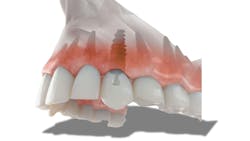
For many general dentists, the idea of adding implant dentistry into their practice can feel unachievable or unnecessary. Many factors may cause them to hesitate, such as the cost of training, lack of skill and confidence to perform the procedure, or the belief that implants are for specialists. In reality, implant dentistry is becoming mainstream, and more general dentists are integrating it into their practices.
General dentists are essential for supporting implant patients throughout the process. From diagnosis to long-term maintenance, general dentists are at the center of the dental implant journey. In most cases, they have an existing relationship with the patient and are able to assemble the proper care plan and team to create the best treatment option. When dentists go through the proper training and have the right support system, the return on investment of implant dentistry is quickly realized.
Common misconceptions about implant dentistry
There are many misconceptions when considering adding implant dentistry. One of the most common is that it’s a specialty reserved for oral surgeons and periodontists. But every day, general dentists take steps to become educated in implant dentistry. Even if they aren’t performing the surgery themselves, it’s still incredibly important for them to be educated in dental implants so they can provide a proper diagnosis, support, and maintenance for the patient.
Another misconception is that dentists may feel pressure for not pursuing a specialty while in dental school. This creates an internal story that they’re not qualified or aren’t doing enough as a general dentist.
These misconceptions can be alleviated with education and expertise. Becoming educated isn’t about competing with specialists; it’s about offering the best care options for patients who already trust you. This relationship is strengthened when you don’t have to refer out patients, so it’s a win-win.
There are also misguided beliefs that training programs are too expensive, there’s a lack of return on investment, or you need hundreds of cases to make your investment worthwhile. Programs like Restorative Driven Implants (RDI) cover the cost of the training and technology required to bring implant dentistry into your practice after placing implants on just five patients. The average case fee for an implant is significantly higher than routine procedures such as fillings and crowns. This means that adding implants provides a natural revenue lift. Many general dentists already have these cases in their patient base, but they need support identifying opportunities.
What to consider when adding implants
Cost is just one factor to consider when deciding whether or not to add implant dentistry. You need the right training, and not all programs are created equal. Ask the right questions:
- Does this program provide hands-on experience?
- Will I have access to mentors and colleagues after the course ends?
- Are the instructors invested in my success?
- Does it feel like a collaborative community?
- Will the patients I work on have proper follow-up care after I place the implants?
One of the biggest mistakes general dentists make when trying to implement implant dentistry is going at it alone. They attend a weekend course with hypothetical cases, return to their practice, and then their confidence and excitement fade. They don’t have anyone to ask questions when the case doesn’t follow their training guide.
The advantages of implant dentistry
Finding a training program that offers education and a support system—from the classroom to years down the road—is the key to success in implant dentistry. Access to labs and community-building with colleagues and mentors where you can bounce cases off each other and share obstacles or wins builds confidence and excitement to perform implant dentistry.
Patients value when their trusted general dentist offers in-house treatment options so they don’t have to leave the comfort of their home office. Offering implant dentistry in your practice offers patients the opportunity to stay in a familiar environment with the provider they know and trust. Dental procedures cause anxiety for many patients, and sticking with their provider eases that fear. This improves their acceptance of implant dentistry, satisfaction, and loyalty.
Some dentists worry about marketing their new service when they complete the trainings, but it’s more of a natural progression. As you have patients with implant needs, you’ll see your confidence increase as you can properly educate them and offer the procedure yourself. The more procedures you get under your belt, the more your confidence will grow. This alone will have you looking for more patients who qualify for the procedure. Plus, the best marketing tool is word of mouth; happy patients are likely to refer friends and family, which grows your customer base even more.
At least become educated
You might not be ready to add a new service to your practice, and that’s fine, too. Not every dentist needs to place implants. However, every dentist should at least understand them. If you’re referring out every single case without offering patients insights or guidance, you might be risking the trust you’ve built with them. Worst-case scenario, your patients build new relationships with other providers and leave your practice entirely.
By becoming educated in implant dentistry, you can offer patients the path that works for your practice. Whether this means adding a new service, cotreating, or referring out to oral surgeons, you can help patients with confidence knowing that you have all the information to give them the best treatment.
If you choose an implant program that comes with a built-in network that guides you through education and treatment, you can be assured you’re offering the best care. Dental implants are here to stay, and by becoming educated, these can be a rewarding and profitable part of your general practice.
Editor's note: This article appeared in the January 2026 print edition of Dental Economics magazine. Dentists in North America are eligible for a complimentary print subscription. Sign up here.
About the Author
 Jan Bublik, DDS, MD
Jan Bublik, DDS, MD
Jan Bublik, DDS, MD, has been in clinical practice close to 30 years. He is experienced in all aspects of dentistry and oral medicine, with a particular emphasis on implant surgery and oral rehabilitation. Dr. Bublik uses his expertise and strong communication skills to help patients understand their needs and choose the treatment options that are right for them. He also serves as a president of Restorative Driven Implants Institute (RDI), a premier implant dentistry education program in Midwest.