The Nordic model: Digital innovation relieves strain on oral health systems
Key Highlights
-
Finland’s public oral health system is using digital tools (DentView + MyDentView) to strengthen prevention, reduce unnecessary visits, and ease long waiting lists amid workforce shortages.
-
Patients receive step-by-step, personalized hygiene coaching with instant feedback—plus plaque-disclosing tablets—helping them improve daily self-care and track progress at home.
-
By shifting basic education to a low-cost digital platform (about €4 per patient), clinics can free up staff time, improve equity (including multilingual access), and reduce long-term restorative costs.
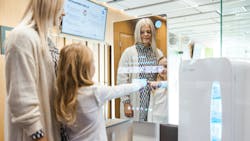
Across the world, public health systems face mounting pressures from rising demand, aging populations, and a shortage of dental professionals. In Finland, regional health authorities are responding by adopting digital technologies that guide patients in proper oral hygiene, ease treatment backlogs, and empower individuals to manage preventive care more effectively.
The Wellbeing Services County of Central Ostrobothnia (Soite) in Western Finland is among the Nordic country’s pioneers in the digital transformation of public oral health care. It was also one of the first public providers to introduce a digital technology called DentView into its clinics four years ago.
Why this matters
At roughly €4 (or about $5) per patient, this digital guidance tool costs a fraction of a single public dental visit (€80–120), while shifting preventive education outside the operatory. For practices and public systems facing workforce pressure, that reallocation of staff time could take pressure off them and allow them to put more time into caring for patients. DentView can help with fewer queues, lower restorative demand, and more sustainable use of limited clinical resources.
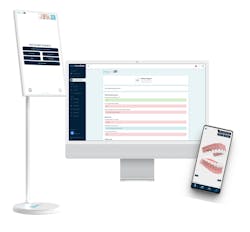
Through the digital system, patients learn how to improve daily oral hygiene and recognize plaque buildup. They can also follow personalized oral care guidance at home via the MyDentView application. At the same time, the technology supports professionals by streamlining preventive care, reducing unnecessary visits, and focusing resources on patients who need treatment most.
Prevention pays off
Preventive oral health care not only improves individual quality of life; it also has broad societal benefits. Early prevention of oral diseases helps avoid costly and complex treatments and reduces the burden on health-care systems.1
Since 2021, Soite has used a digital system to boost preventive oral care—first in a three-month pilot, and now as part of daily practice. The system helps patients take responsibility for their routines and allows dental professionals to focus on treatment instead of repeating basic instructions.
“We saw the potential of the technology early on and decided to pilot it at our Toholampi clinic,” says Martti Lilja, chief dental officer at Soite.
The digital service was first piloted in Soite’s primary health-care facilities. Following the trial, the system was transferred to Soite’s larger dental clinic, and another unit was installed at its main health center. According to Lilja, feedback from both staff and patients has been positive from the outset.
Across Finland, newly established well-being services counties—21 regional health authorities plus Helsinki—are under pressure to meet rising demand with limited budgets. Formed in 2023 to replace the municipal system, these autonomous bodies now oversee essential health, social, and emergency services for Finland’s 5.6 million residents.2,3
Many regions are under increasing financial pressure because populations are aging, service needs are rising, and funding is tight.4 Dental care is especially affected, with staff shortages and long waiting lists becoming common.
By using digital tools that turn oral-hygiene guidance into easy-to-access “gamified” instructions and help patients take more responsibility of their own oral health, regional health authorities such as Soite are demonstrating how prevention and smart technology can ease dental professionals’ workloads, shorten queues, and inspire new health-care models that could work well beyond Finland.5
Digital guidance empowers self‑care
The digital DentView system adopted by Soite guides patients step-by-step in their oral care. It tests their knowledge, shows proper hygiene techniques, and gives instant feedback.5,6
At Soite’s clinics, patients using the technology receive a self‑care kit with basic dental tools and a plaque‑revealing tablet. Combined with the MyDentView home app, the tablet makes plaque visible, helping patients see where brushing needs improvement. Over time, the app also lets them track their progress and monitor how their oral hygiene is improving.

“Preventive care primarily takes place at home, and digital oral care guidance is an effective way to raise the overall level of oral health,” emphasizes Lilja.
The system is available in multiple languages, a feature that has proven especially valuable for immigrant patients by making oral health guidance more accessible.
For children, Soite’s oral health program follows three steps: a dental examination, a self-care review with the DentView system, and a consultation with a hygienist.
“By shifting part of the guidance to the digital system before appointments, the technology streamlines visits and helps reduce treatment backlogs,” Lilja says.
He adds that the device is leased at an estimated cost of about €4 per patient (about $5 at time of publication)—significantly less than the cost of providing personalized oral-care guidance. Preventive care also generates significant long-term savings.
Studies show that most oral diseases can be avoided through good daily care and early intervention. Prevention reduces the need for costly treatments such as fillings, root canals, or tooth extractions.
According to the Finnish Institute for Health and Welfare (THL), the production cost of a single public dental care visit in Finland is about €80–120 depending on the type and scope of treatment provided. This figure reflects what the health system pays to deliver care, including staff, facilities, and materials. Patients, however, pay only a regulated copayment, which is much lower than the full cost and varies by age, treatment type, and municipality.
In Finland’s public dental system, the provider carries most of the cost of care. When patients maintain better daily oral hygiene, they need fewer appointments. This directly lowers costs for the health system while also improving patient outcomes.7
The most significant potential for savings lies among children and adolescents under 18, who are entitled to free dental services in Finland.
“As DentView adoption expands at our clinics, the cost per patient keeps falling. Digital tools cannot fully eliminate queues, but they free up staff time, strengthen preventive care, and help avoid the far higher costs of restorative treatment,” Lilja continues.
The impact is felt across the health-care system—and in patients’ wallets. By reducing the need for costly restorative procedures, the digital technology offers patients a genuine chance at long‑term savings, Lilja continues.
Healthy mouth, healthy body
The World Health Organization reports that oral diseases affect nearly 3.5 billion people worldwide. However, most of these cases could be prevented with good daily care, timely check‑ups, and adequate fluoride.8
In Finland, oral disease prevention is especially critical as oral health disparities have widened in recent years. Recent national surveys by the Finnish Institute for Health and Welfare, including the Healthy Finland study, show that dental caries remains a significant public health issue in the Nordic country. While prevalence declined during the late 20th century, the trend has now stabilized at a relatively high level, particularly among children and adolescents.9
Among younger age groups, enamel erosion linked to dietary habits is also increasingly observed, underscoring the need for stronger preventive measures to avoid costly restorative treatments in the future, experts say.
“With limited resources, endlessly increasing treatment is not feasible. The focus needs to be on preventing oral disease, not just treating it, because prevention consumes significantly fewer resources than treatment,” stresses Lilja.
Across Finland, well-being services counties are moving from reactive treatment to preventive care. In oral health, prevention means consistent self‑care—brushing, interdental cleaning—and quick response to changes. Meanwhile, experts also stress that oral health is inseparable from overall well‑being, closely linked to systemic health.10
“Oral health profoundly influences general health. Investing in it benefits both individuals and society. This perspective guided our decision to join the digital pilot,” explains Lilja.
Digital tools are becoming central to preventive oral care. They guide and motivate patients, refine routines, and improve hygiene—benefits that extend well beyond the mouth.
A recent study from Tampere University in Finland strengthens the link between oral and overall health. The researchers detected DNA from several oral bacteria in coronary artery stenosis, providing direct evidence of how oral infections can contribute to cardiovascular disease.
The findings add to a growing consensus: maintaining good oral hygiene not only protects teeth but also supports general health by controlling bacteria and lowering the risk of systemic disease.11
Advancing equitable care
“Traditional oral health education often struggles to connect with younger people, leading to low engagement in self-care,” notes Soite’s Martti Lilja.
He adds that DentView technology addresses this challenge with its visually engaging platform that motivates children and teens to take better care of their teeth.
Soite now has plans to introduce a portable version of the system, enabling its deployment in schools and care homes.
“Our goal as a regional health authority is to cut queues and ensure more equitable access to preventive oral health care,” affirms Lilja.
While exact figures are difficult to pin down, the direction is clear: digital tools are helping to strengthen prevention, improve outcomes, and lighten staff workload.
“The current economic climate makes it difficult to expand public health services, but we remain confident in the potential of digital technologies. Tools that help patients build better oral hygiene habits are central to the digitalization of oral health and represent an important step toward the future of preventive care,” Lilja concludes.
Editor's note: This article appeared in the February 2026 print edition of Dental Economics magazine. Dentists in North America are eligible for a complimentary print subscription. Sign up here.
References
- The cost effectiveness of prevention in oral healthcare. International Federation of Dental Hygienists. March 2025. https://ifdh.org/wp-content/uploads/2025/05/IFDHWhitePaperMARCH25Final.pdf
- Wellbeing services counties will be responsible for organizing health, social, and rescue services. Finland Ministry of Social Affairs and Health. Updated January 7, 2026. https://stm.fi/en/wellbeing-services-counties
- Organising of healthcare and social welfare in Finland: national expert assessment. Finnish Institute for Health and Welfare. March 2023. https://www.julkari.fi/bitstream/handle/10024/146575/URN_ISBN_978-952-408-061-3.pdf
- Finland’s healthcare regions face bleak financial outlook as losses accumulate. Yle News. August 5, 2024. https://yle.fi/a/74-20103264
- Study: DentView’s digital self-care guidance improves oral hygiene in orthodontic patients. DentView. https://dentview.fi/study-dentviews-digital-self-care-guidance-improves-oral-hygiene-in-orthodontic-patients/
- A smart feedback system in preventive dentistry. Br Dent J . 2025;239(6):430. doi:10.1038/s41415-025-9240-z
- Production costs of visits in public dental care (€/visit). Finnish Institute for Health and Welfare. Sotkanet Statistics and Indicator Bank. 2025.
- Global oral health status report: towards universal health coverage for oral health by 2030. World Health Organization. 2022. https://www.who.int/publications/i/item/9789240061484
- Healthy Finland Survey, 2022–2024. Finnish Institute for Health and Welfare. https://thl.fi/en/research-and-development/research-and-projects/healthy-finland-survey
- Yu Y-H. Oral health: integral component of overall health and important determinant of ageing. Lancet Healthy Longev. 2024;5(11):100641. doi:10.1016/j.lanhl.2024.100641
- Karhunen PJ, Pessi T, Hörkkö S, et al. Viridans streptococcal biofilm evades immune detection and contributes to inflammation and rupture of atherosclerotic plaques. J Am Heart Assoc . 2025;14(16):e041521. doi:10.1161/JAHA.125.041521
About the Author
 Nina Garlo-Melkas, MSc
Nina Garlo-Melkas, MSc
Nina Garlo-Melkas, MSc, is a health and science journalist.