How AI can enhance patient communication
Key Highlights
- AI-powered 3D visualization is shifting from outsourced studios to in-office creation, giving dentists more control, creative freedom, and lower per-project costs—while placing responsibility for accuracy and ethics squarely on the practice.
- Clear, realistic visuals strengthen case acceptance and patient trust, helping patients better understand implants, orthodontics, and full-mouth rehabilitation—when images are accurate and not overly idealized.
- Smart investment requires balancing art, science, and business, factoring in training, hardware, and quality control to ensure AI-driven visuals enhance credibility, differentiate the practice, and deliver measurable ROI.
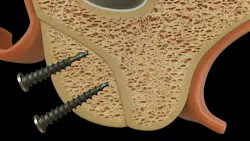
Artificial intelligence (AI) has quickly become a part of our dental practices, not just for diagnosing and planning treatments, but also for how we share information visually. We are being told and sold that AI is a better way to read and diagnose x-rays. This might be true, but is it a better way to communicate with patients? If we want to communicate with our patients, we need to have great visual communication. In the past, we had to count on a company to create the content. If we wanted to have customized content and create high-quality 3D dental animations, we needed special studios, big budgets, and a long time to make it. But now, AI tools can help dentists create complex digital content right in their own offices. We can now do it in-office and be creative ourselves.
As a practice owner, the real question is whether this technology is worth the investment. This article looks at how AI-assisted 3D visualization connects with how we talk to patients, what makes our practices stand out, how we teach, and how we make money. The key is to find the right balance—making sure the visuals are clear, accurate, and good for the business. It’s all about balancing the art, science, and business of dentistry.
Going from outsourcing to making it yourself
For a long time, advanced 3D dental animations were mostly made by companies and big hospitals. If a private practice wanted something custom, it could cost a lot and take a long time to get.
But AI tools are changing that. With automated rendering engines, smart modeling systems, and easier animation processes, dentists can now create implant simulations, surgical plans, and restorative visuals right in their offices.
This change is more than just making things easier; it’s giving dentists more creative freedom. They no longer have to use stock images. They can create visuals that match their own ideas, methods, and the people they treat.
But with this freedom comes responsibility. It’s up to the dentist to make sure everything is accurate, consistent, and ethical.
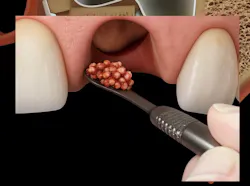
Patient communication: Clarity sets you apart
In today’s digital world, patients want to know exactly what’s happening. They’re used to seeing great visuals everywhere else. Just diagrams and words might not cut it anymore.
Three-dimensional visuals can:
- Make it easier to see where the implants go and what the bones look like
- Show how the teeth are put back together in a full mouth
- Explain how braces work
- Help patients feel more confident about the treatment
When patients get a better idea of what’s happening, they’re more likely to agree to the treatment. And that’s even better—it builds trust. Clear visuals help take away any confusion or worries.
But it’s important to be careful with AI-generated images. They shouldn’t make things sound too good to be true. The visuals should show what’s really possible, based on what we know about the body.
Education and standing out
AI-assisted visualization also helps with learning and making your practice stand out. If you teach, write, or train others, you can create visuals that match exactly what you do.
Before AI, you had to team up with others to make this stuff. Now, it’s quicker and cheaper. You can tweak the animations based on what people think and what happens in their cases.
For practices that want to be seen as the best, advanced visualization can really show off your skills. But make sure it’s real. Fancy graphics can’t make up for not being good at what you do.
The money side: How much to invest
From a business point of view, AI-assisted visualization changes how you spend money.
Old way:
- Big upfront costs to make the visuals
- Hard to change things later
- Takes a long time to get the finished product
New way:
- Less money to make each new visual
- Create your own visuals
- Spend very little money
- More freedom to do what you want
To figure out if it’s worth it, look at how it helps with getting more patients to agree to the treatment and consider:
- Creating educational resources
- Positioning your brand to stand out
- Building and enhancing your brand
When creating visuals, remember to consider the hidden costs, such as training time, upgrading hardware, and ensuring quality control. If the visuals aren’t well done, they might hurt your credibility instead of boosting it.
Managing risks and keeping things ethical
With more tools comes more risk. AI-generated visuals might simplify complex biology too much or accidentally show surgical outcomes that aren’t realistic.
Practice owners should set some internal rules:
- Double-check that the visuals are accurate in terms of anatomy.
- Avoid showing outcomes that are too good to be true.
- Make sure patients understand that visuals are just tools to help them learn, not promises.
- Stay in line with what’s currently known in the field.
AI visualization should help people make informed decisions, but ethical oversight needs to keep up with how advanced technology gets.
Finding the right balance
Dentistry has always needed to balance three things:
Art: how we look and communicate visually
Science: being precise and using evidence
Business: making sure we’re sustainable and efficient
AI-assisted visualization touches all three areas. If we use it wisely, it can make things clearer, help people learn more, and maybe even improve how much money we make. But if we’re not careful, it could distort things and waste money. The big question for leaders isn’t, “Can we use this?” but rather, “Does this fit with what we believe and how we want to practice?”
AI-assisted 3D visualization is no longer just for big companies and schools. It’s starting to show up in private practices. The main thing to think about is how we can use these tools effectively.
Practices that use these tools carefully—focusing on clarity, accuracy, and what they can measure—can build more trust with patients and make their practices stand out. But if you jump in without thinking, you might end up spending money without getting anything back.
Editor's note: This article appeared in the April 2026 print edition of Dental Economics magazine. Dentists in North America are eligible for a complimentary print subscription. Sign up here.
About the Author
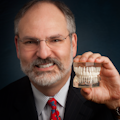
Jeffrey C. Hoos, DMD
Jeffrey C. Hoos, DMD, a 1978 graduate of the Tufts University School of Dental Medicine, started his private practice as a one-operatory walk-up and grew it to a four-doctor practice with 25 staff members. He lectures on innovative techniques that balance the art, science, and business of dentistry. He is one of the first general dentists to be Brånemark certified for implant placement, and his office has become a teaching center for restorative and implant dentistry. Contact him at [email protected] or visit payhip.com/b/la3mJ to get started doing your own AI communication.