Digital diagnostics done right: Building profitability on foundational imaging accuracy
Key Highlights
- High-quality radiographs are vital for accurate diagnosis, treatment planning, and patient trust, especially in complex cases like implants and endodontics.
- Poor imaging quality leads to increased retakes, claim denials, delayed reimbursements, and higher operational costs, impacting revenue and patient satisfaction.
- Standardized imaging protocols and sensor training significantly reduce retake rates and improve workflow efficiency, leading to better clinical and financial outcomes.
- Choosing the right digital sensor with appropriate resolution, ergonomic design, and system integration yields a measurable return on investment within 12-18 months.
- A strategic focus on technical competency, quality standards, process integration, and continuous improvement forms the foundation of imaging excellence and practice growth.
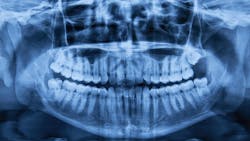
In an era where artificial intelligence is becoming embedded in every aspect of dentistry, it's easy to overlook a simple truth: even the best AI can't compensate for a poor-quality radiograph. As technology evolves, foundational imaging accuracy remains one of the most critical but often underestimated components of a successful dental practice.
Jocelyn Miller, VP of special markets at Jazz Imaging, said: "While advancements in AI for diagnostics are accelerating, we are seeing an even greater need for accurate, high-quality x-rays from the very beginning. Jazz is meeting that need by helping DSOs and practices elevate diagnostic precision at the operatory level, improving both patient care and profitability."
Let's explore how digital sensor optimization and standardization directly impact diagnostics, billing, workflows, and revenue. It also examines key performance formulas and provides a practical implementation roadmap for practices ready to maximize their imaging investment.
The cost of inaccuracy in radiography
When radiographs are unclear or inconsistently captured, the financial and operational consequences compound quickly. The link between poor image quality and revenue leakage is well established, especially in multilocation environments where insurance billing accuracy is paramount.
Imaging-driven revenue risks:
-
Diagnostic uncertainty forces conservative or incorrect coding
-
Low-quality images delay or prevent treatment plan approvals
-
Increased retakes add cost, extend appointments, and disrupt flow
-
Insurers are more likely to reject claims tied to substandard documentation
Performance metric to monitor:
Claim denial rate = (denied claims / total submitted claims) × 100
Goal: Less than 5% for practices using diagnostic-quality imaging consistently
Practices that do not standardize imaging protocols report 15-20% more claim adjustments and experience 25% longer reimbursement cycles. The result is higher administrative burdens, reduced cash flow, and unnecessary patient frustration.
Diagnostic-quality imaging is the starting point for accurate treatment planning. Whether evaluating bone levels for implants or identifying endodontic pathology, poor radiographs result in missed or incorrect diagnoses, which ultimately impact both clinical outcomes and patient trust.
Areas impacted by imaging quality:
-
Implant placement and bone density assessment
-
Pulp vitality and endodontic working length evaluation
-
Restoration margin analysis
-
Early pathology identification
-
Periodontal disease progression tracking
Diagnostic accuracy metric:
Correct diagnosis rate = (accurate diagnoses from first images / total diagnoses made) × 100
Goal: 98% or higher with optimized sensor performance and protocols
Clear visuals support better interdisciplinary collaboration and increase case acceptance by helping patients understand and trust the proposed treatment.
Clinical excellence begins with consistency. Standardized imaging protocols eliminate variance across team members and reduce the need for repeated exposures.
Essential elements of imaging protocols:
-
Positioning guidelines for each sensor type and patient scenario
-
Calibrated exposure settings by tooth region and patient age
-
Image review checklists to verify diagnostic quality immediately postcapture
-
Documentation and filing processes that align with billing and case presentation
Workflow efficiency metric:
Retake rate = (number of retakes / total images captured) × 100
Goal: Less than 2% in high-performing practices
Organizations that implement sensor training and quality benchmarks report a 40% reduction in retakes, a 30% improvement in appointment flow, 25% fewer treatment plan revisions, and higher patient satisfaction with less staff burnout.
The right digital sensor system does more than replace film; it creates a measurable return when integrated with clinical and business workflows.
Considerations for sensor selection:
-
Resolution appropriate for periodontal, restorative, and endodontic needs
-
Ergonomic fit for pediatric and adult patients
-
Integration with imaging, AI, and practice management systems
-
Durability, sterilization compatibility, and service support
ROI metric:
Sensor ROI = (revenue increase + cost savings) / investment in sensor system
Successful practices report a 200% or greater ROI within 12 to 18 months after implementation. Enhancing environmental factors, such as providing proper ambient lighting for image review and maintaining consistent x-ray unit calibration, further ensures consistent outcomes across all operatories.
The foundation of imaging excellence
Digital imaging is no longer a background function in the dental practice; it is a strategic differentiator. High-performing DSOs and practices that prioritize foundational accuracy see gains in diagnostic precision, reduced administrative waste, and measurable financial return. These gains are built on a foundation of four interconnected pillars: technical competency, quality standards, process integration, and continuous improvement.
Technical competency ensures that every clinician and assistant is proficient in image capture and sensor handling. Quality standards help practices define and measure what constitutes a diagnostic-quality image and hold teams accountable for achieving it. Process integration connects imaging protocols with the broader clinical and administrative workflows, enabling faster and more accurate billing, charting, and treatment planning. Lastly, continuous improvement ensures that practices adapt with emerging technologies and regularly assess and improve their protocols based on performance data and feedback.
As AI and automation continue to evolve, the need for high-quality inputs will only grow. Getting it right at the first capture is essential now. Foundational imaging accuracy is the gateway to diagnostic clarity, patient confidence, and sustained profitability because the foundation you build in your imaging standards today will shape your clinical and business success for years to come.
Editor's note: This article appeared in the January 2026 print edition of Dental Economics magazine. Dentists in North America are eligible for a complimentary print subscription. Sign up here.
About the Author
Cassie Tallon
Cassie Tallon is a marketing and operations leader with more than 20 years of experience in dental and health care. She has a track record of driving strategic growth, streamlining operational efficiency, and delivering high-impact initiatives across DSOs and private practices. As the founder and CEO of The Fractional Match, Cassie connects dental organizations with top-tier fractional executives to fill critical gaps in leadership without long-term overhead. She is a speaker and contributor on workforce recovery and patient experience in modern dental operations.